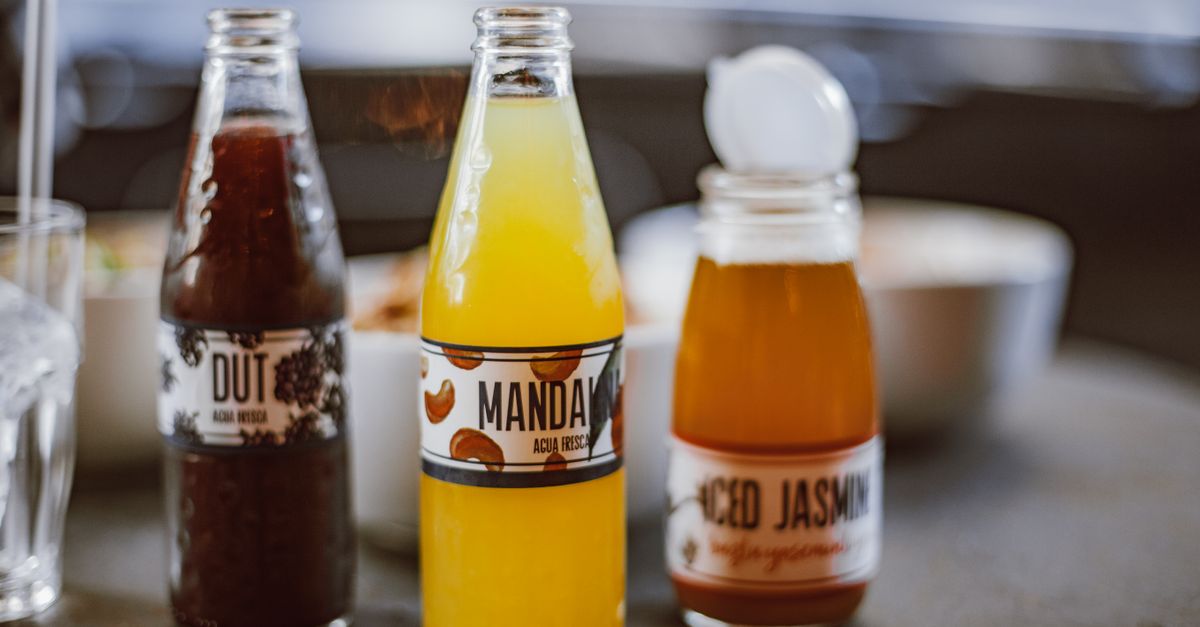
Walk into any New Jersey grocery store and you’ll notice that the labels on great products don’t just look good — they hold up. They stay stuck to wet bottles, don’t wrinkle under refrigerator condensation, and survive the ice bucket. The material under your ink does most of that work, and picking the wrong one is how a beautiful design ends up peeling off a cold six-pack. Here are the five materials food and beverage brands reach for most, and how to match each to your product.
TL;DR
Paper is cheapest and prints beautifully, but it’s not waterproof. BOPP film is the clear “no-label look” winner for bottles and anything that gets wet or cold. Polyester is the tank — chemicals, heat, cold, it shrugs them off. Thermal is for on-demand data like dates and weights. Specialty and textured stocks sell premium at the shelf. The right pick comes down to one question: what environment does your label have to survive?
The 5 Materials at a Glance
Skimming? Start here, then read the section for whichever material fits your product.
| Material | Best use | Moisture / oil resistance | Look |
|---|
| Paper | Dry goods, glass jars, boxes, craft brands | Low — not waterproof | Natural, tactile; matte/gloss/soft-touch finishes |
| BOPP film | Water/juice bottles, dressings, sauces, spirits | High — waterproof, tear-resistant | Clear “no-label look,” also white and silver |
| Polyester (PET) | Food-service cleaners, industrial ingredients, sterilized products | Very high — chemical- and moisture-resistant | Durable, utilitarian; stiff |
| Thermal | Produce, deli/meat/seafood, weight and date coding, case labels | Varies (direct thermal is heat-sensitive) | Functional; on-demand printed |
| Specialty / textured | Wine, spirits, artisan and premium brands | Wet-strength options hold up in ice | Premium — linen, laid, and felt textures |
Pro tip — match the material to the environment, not the shelf photo. Ask where your label actually lives. Fridge? Condensation is the enemy — specify a cold-temperature adhesive on paper, or move to film. Freezer? BOPP film and polyester both keep their grip at low temperatures. Wet (cold bottles, ice buckets)? Reach for waterproof BOPP, polyester, or wet-strength paper — plain paper will wrinkle and let go.
1. Paper Labels — The Workhorse
Paper is the most widely used label substrate for food and beverage products, and for good reason: it’s cost-effective, prints beautifully, and takes just about any finish — matte, gloss, soft-touch laminate.
Best for: Dry goods, packaged foods, glass jars, boxes, and craft beverage products where a natural, tactile feel is part of the brand.
Pros: Lowest cost per label, excellent print quality, easy to write on, available in many textures.
Cons: Not waterproof. In NJ’s humid summers or cold-chain environments — refrigerated distribution from Trenton to Newark — unprotected paper can absorb moisture, wrinkle, or lose adhesion.
NJ consideration: For refrigerated or frozen product, specify a cold-temperature adhesive. For wet environments like cold bottles or ice buckets, upgrade to a waterproof coating or switch to film.
2. BOPP Film (Biaxially Oriented Polypropylene) — The Clear Favorite
Want your product to look like it was printed straight onto the glass? That’s BOPP. It’s the go-to film for brands chasing the “no-label look” on clear glass or PET containers, where the label all but disappears.
Best for: Water bottles, juice containers, dressings, sauces, spirits, and anything where transparency sells at the shelf.
Pros: Waterproof, tear-resistant, excellent clarity, performs well in both refrigerated and freezer environments.
Cons: Slightly higher cost than paper; curved surfaces need the right adhesive.
NJ consideration: New Jersey’s craft beverage scene — breweries in Asbury Park, cideries in Somerset County — has driven strong demand for BOPP. We stock it in clear, white, and silver at our Hillsborough facility.
3. Polyester (PET) Labels — The Tank
When the environment gets genuinely rough, polyester is the answer. It brings chemical resistance, high-temperature tolerance, and UV stability, which is why it’s the pick for industrial food-processing labels and anything exposed to harsh conditions.
Best for: Cleaning products used in food service, industrial food ingredients, and products that need sterilization-resistant labels.
Pros: Extremely durable, resistant to chemicals and moisture, holds adhesion at both high and low temperatures.
Cons: Higher cost; the stiffer material needs proper die selection for curved application.
4. Thermal Labels — For Food Service & Distribution
Some labels change with every print. Direct thermal and thermal transfer labels handle batch codes, expiration dates, weights, and other variable data on demand — essential for food distribution across New Jersey, from processing facilities to last-mile delivery.
Best for: Fresh produce, deli/meat/seafood, weight labels, date coding, and distribution case labels.
Pros: On-demand printing kills pre-printed inventory; fast turnaround for changing data; integrates with scales and production systems.
Cons: Direct thermal labels are heat-sensitive — keep them out of high-temperature environments.
NJ consideration: As an authorized distributor of thermal printers, ribbons, and software, we can supply both your labels and your printing equipment from one NJ source.
5. Specialty & Textured Materials — The Shelf Upgrade
For premium brands — wine, spirits, artisan products — the substrate itself communicates quality before anyone reads a word. Options include:
- Textured paper: linen, laid, and felt finishes that convey craftsmanship.
- Wet-strength paper: engineered to hold up when submerged in ice — ideal for wine and craft beer bottles.
NJ consideration: New Jersey’s growing wine country, from the Outer Coastal Plain AVA to Warren Hills, leans on wet-strength and specialty substrates that survive ice buckets and extended refrigeration.
Every good material choice starts with the same short list: temperature range, moisture exposure, the surface texture of your container, and how the label gets applied. Nail those and the material picks itself. Not sure which substrate fits your NJ food or beverage product? Call Certified Labeling Solutions at (908) 495-6235 or request a quote — we’ve been advising manufacturers since 1986, and we’ll get your label right the first time.