Choosing a label manufacturer isn’t like buying paper clips. Labels are a production input — if they’re wrong, your product doesn’t ship, your barcode fails at a distribution center, or the label peels off before it reaches the shelf. The cost of a bad label almost always dwarfs the cost of the labels themselves.
Ask seven questions before you commit: Do they run their own presses? What's the lead time, and the rush option? Do they verify barcodes? Can they run your exact substrate and adhesive? Do they store your dies and plates? What's the proof-and-approval process? And do they know your industry? A supplier who answers all seven with specifics is a partner. One who dodges is a vendor you'll be replacing.
The good news: these are simple questions, and the right answers are concrete. Tap any question below for what a straight answer sounds like — and the red flags to listen for.
The 7 Questions
1. Do you run your own presses, or do you broker the work?
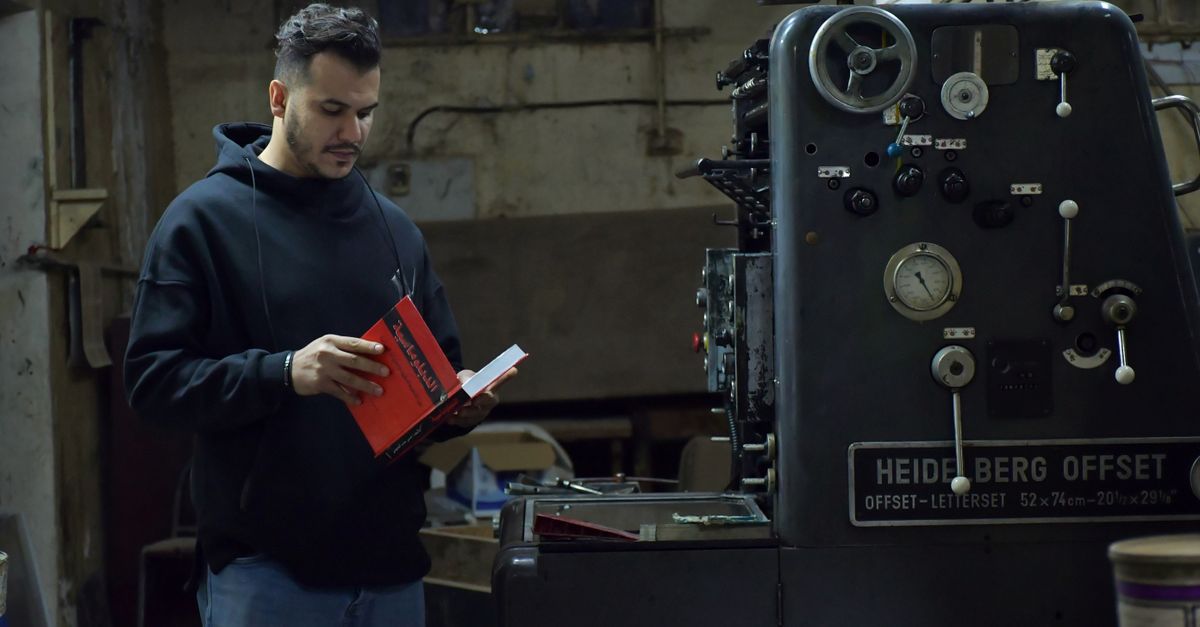
This is the question most buyers forget to ask. Some companies that sell labels don’t manufacture them — they take your order, mark it up, and hand the job to a contract printer. That isn’t automatically bad, but you deserve to know who’s actually touching your labels. A manufacturer who runs their own presses controls quality, scheduling, and cost directly: when something’s wrong they can fix it, when you need it faster they can push it if capacity allows, and when you have a substrate question you’re talking to someone who runs the equipment. Certified Labeling Solutions runs all flexographic production in-house on Nilpeter presses in Hillsborough, NJ, and partners with disclosed digital print facilities for short runs — named upfront, never hidden.
2. What's your standard lead time — and what happens when I need it faster?
A well-organized facility gives you a consistent answer, not a shrug. Certified Labeling Solutions quotes about 2 weeks from artwork approval for new flexographic jobs, and 1 week or less for reorders that already have tooling on file. Vague answers (“it depends”) or very long quotes (“4–6 weeks”) are worth probing — usually a sign the shop is chronically overloaded or brokering the work and doesn’t fully control the schedule. Rush capability matters too, but the honest answer involves trade-offs: flexo plate production takes several business days, so there’s a hard minimum on brand-new tooling. Anyone promising 24-hour turnaround on a new multi-color flexo job is either not being straight or cutting corners you can’t see.
3. Do you verify barcode quality before shipping?
If any label carries a barcode — UPC, Code 128, GS1-128, QR Code, DataMatrix — ask whether the manufacturer verifies print quality before the order leaves the building. ANSI/ISO barcode grading is the industry standard: it measures bar-width deviation, reflectance contrast, modulation, and other parameters, then assigns a grade from A (best) to F (fail). Most major retailers require a minimum grade of C; pharmaceutical and GS1 supply-chain programs often demand A or B. A shop relying on visual inspection alone can miss the defects that cause scan failures — and you won’t find out until your product bounces at a receiving dock. Certified Labeling Solutions runs ANSI/ISO grading on all barcode orders, provides grade reports on request, and performs 100% inline verification on variable-data runs.
4. Can you run my exact substrate and adhesive?
Not every shop stocks the same materials. A facility set up for paper labels may not carry freezer-grade adhesive; a digital-only shop may not run a UV-overlaminated construction. Before committing, confirm the manufacturer can produce what you actually need — face stock (paper, BOPP, polyester, vinyl, clear, destructible, specialty films), adhesive (permanent acrylic, removable, freezer-grade, high-tack, rubber-based, high-temperature), and finishes (overlaminate, spot UV, embossing, backside printing). If your label is a specific combination — say freezer-grade BOPP with removable adhesive for a promo label on refrigerated packaging — ask whether they’ve run that exact combination, not whether they think they can. Certified Labeling Solutions confirms material availability for your spec before quoting.
5. Do you store my dies and plates for reorders?
On a flexographic job, the dies (cutting tools) and plates (printing plates) are a real upfront investment. If a manufacturer doesn’t keep them on file, you’ll pay to reproduce them on every reorder — and if they go out of business, change ownership, or misplace your tooling, you’re back to a fresh tooling charge plus a delay while new plates are made. Stored tooling makes reorders faster and cheaper, and it signals a shop that expects a long-term relationship rather than a one-off sale. Certified Labeling Solutions maintains an in-house die library of thousands of standard shapes (usually no tooling charge for those), and keeps your plates and dies on file for the life of the product.
6. What's included in your proof and approval process?
Every commercial label job should include a proof — a representation of the final output — before production begins. The question is which kind, and what the process looks like. A digital proof (a PDF showing layout, dimensions, and color separations) is standard for most jobs and confirms text, layout, and structure, though it won’t guarantee an exact color match. A press proof (a short run on the actual press with production materials) costs more and isn’t standard on every job, but it’s available when precise color is critical. The single most important answer: production should not start until you provide written approval. No written sign-off, no press run — that’s what protects you from receiving labels you never actually approved. Certified Labeling Solutions requires a digital proof and written approval on every new job.
7. Do you have experience in my industry?
Label requirements vary sharply by sector. A manufacturer fluent in food and beverage understands FDA 21 CFR compliance, BOPP selection, cold-chain adhesives, and nutrition-panel printing. One fluent in pharmaceutical knows DSCSA serialization, GS1 DataMatrix grading, tamper-evident constructions, and ANSI/ISO verification documentation. A shop that mostly runs retail promotional labels but claims to handle pharma serialization equally well deserves more scrutiny than one whose client list already includes pharmaceutical manufacturers. Named references — actual companies, or at least company types — beat generic claims. Certified Labeling Solutions has a 40-year operating history with active clients in food & beverage, pharmaceutical, nutraceutical, chemical/industrial, and logistics, including Domino Foods, Lipo Chemicals, and American Sugar Refining.
Watch out: the most expensive answer you'll ever get is a confident "yes, we can do that" with no specifics behind it. Push for the concrete version — a lead-time number, a grading report, a substrate they've actually run. A partner welcomes the follow-up. A broker changes the subject.
How Certified Labeling Solutions Answers Its Own Checklist
For what it’s worth, here’s the short version of how we score against the seven questions:
Question
Our answer
In-house or brokered?
Flexo runs in-house on Nilpeter presses in Hillsborough, NJ; short-run digital via disclosed print partners.
Lead time
~2 weeks for new flexo jobs; ≤1 week for reorders with tooling on file; rush available.
Barcode verification
ANSI/ISO grading on all barcode orders; reports on request; 100% inline verification on variable-data runs.
Substrate & adhesive
Full range of face stocks and adhesives, including freezer-grade, high-temp, high-tack, and specialty films; availability confirmed before quoting.
Stored tooling
In-house die library plus plates and dies kept on file for the life of the product.
Proof process
Digital proof required on every new job; written approval required before production.
Industry experience
40-year history across food & beverage, pharma, nutraceutical, chemical/industrial, and logistics.
The Bottom Line
The right label manufacturer is a production partner, not just a vendor — and these seven questions will help you judge any supplier, us included, before you hand over your label program.
Already buying from someone else? Switching is simpler than most buyers expect: you send your current label, the new manufacturer matches it, and you approve a proof before anything prints. We’ve mapped out the whole thing — including how to avoid any gap in supply — in our guide to switching label suppliers. If you’re still deciding, start with the seven warning signs it’s time to switch and our pre-switch checklist.
Ready to put us to the test? Call (908) 495-6235 or request a quote — we’ll answer every one of these questions on the spot, with specifics.
Frequently asked questions
What questions should I ask a custom label manufacturer before ordering?
Ask seven: whether they run their own presses or broker the work, their standard lead time and rush options, whether they verify barcodes before shipping, whether they can run your exact substrate and adhesive, whether they store your dies and plates for reorders, what the proof and approval process includes, and whether they have experience in your industry. A supplier who answers all seven with specifics is a partner; one who dodges is a vendor.
Does it matter if a label company runs its own presses?
Yes. Some companies that sell labels do not manufacture them; they take the order, mark it up, and hand the job to a contract printer. A manufacturer running its own presses controls quality, scheduling, and cost directly: problems get fixed in-house, jobs move faster when capacity allows, and substrate questions go to people who run the equipment. Brokering is not automatically bad, but you deserve to know who actually produces your labels.
What is a typical lead time for custom flexographic labels?
About two weeks from artwork approval is a realistic quote for a new flexographic job, and reorders with tooling on file often run one week or less. Flexo plate production takes several business days, so brand-new tooling has a hard minimum; anyone promising 24-hour turnaround on a new multi-color flexo job is cutting corners. Vague answers or quotes of four to six weeks usually signal an overloaded shop or a broker who does not control the schedule.
What is ANSI/ISO barcode grading and why does it matter?
ANSI/ISO barcode grading is the industry standard for verifying barcode print quality: it measures bar-width deviation, reflectance contrast, modulation, and other parameters, then assigns a grade from A (best) to F (fail). Most major retailers require a minimum grade of C, and pharmaceutical and GS1 supply-chain programs often demand A or B. A shop relying on visual inspection alone can miss the defects that cause scan failures at a distribution center.
Do I have to pay a tooling charge on every label order?
Not necessarily. Dies and plates are a real upfront investment on a flexographic job, but a manufacturer that stores your tooling saves you from paying for it again on every reorder. Certified Labeling Solutions maintains an in-house die library with thousands of standard shapes, usually with no tooling charge for those, and keeps plates and dies on file for the life of the product, which makes reorders both faster and cheaper.
Should label production start before I approve a proof?
No. Every commercial label job should include a proof before production begins, and nothing should print until you provide written approval. A digital proof confirms text, layout, dimensions, and color separations, though not an exact color match; a press proof, run on production materials, is available when precise color is critical. Written sign-off is what protects you from receiving labels you never actually approved.
Labels giving you a headache?
Send us a sample, artwork, or just your specs — we'll quote it fast. Manufacturing in Hillsborough, NJ since 1986, shipping nationwide.