Pick the wrong printing method for your label order and you’ll either overpay on setup or overpay per unit — and the gap between the two isn’t small. The good news: the decision usually comes down to one honest question about what matters most to you on this particular run.
TL;DR
Flexo uses physical plates — big upfront setup, then a very low cost per label. Digital skips the plates — almost no setup, but a flat (higher) cost per label no matter the quantity. Big steady runs and premium finishes lean flexo. Short runs, quick launches, and every-label-is-different jobs lean digital. Plenty of smart buyers use both. We run flexo in-house and can point you to the right fit either way.
The one tradeoff that drives everything
Strip away the jargon and there’s a single hinge point here: fixed cost vs. per-unit cost.
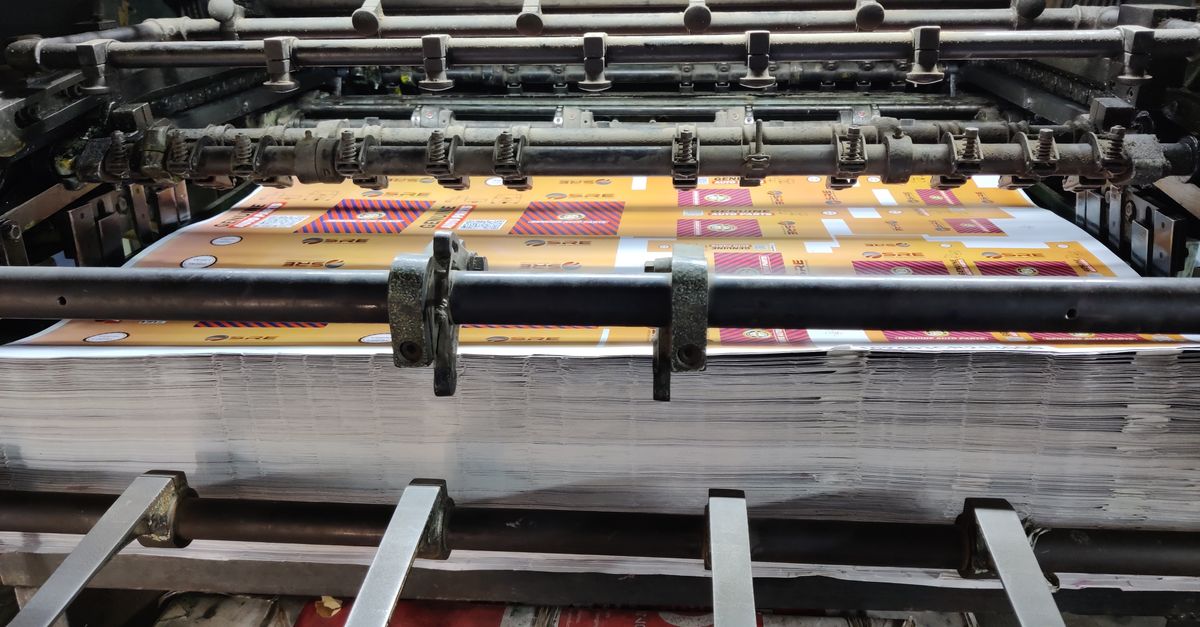
Flexographic printing uses physical polymer plates — one per color — to stamp ink onto your label material. Making and mounting those plates costs the same whether you print 500 labels or 500,000. That’s your fixed cost. But once the press is rolling, each label comes off cheap and fast. (We go deep on how the press actually works in Flexographic Printing Explained.)
Digital printing shoots ink or toner straight from your file — no plates, barely any setup. So there’s almost nothing to pay before the first label prints. The catch: the cost per label is basically flat, and at high volumes flat starts to look expensive next to flexo’s economies of scale.
So the whole decision is really: do you have enough volume to spread the plate cost thin enough to win? Everything below is just detail on that one idea.
What’s your top priority on this run?
Different orders reward different things. Tell us the one that matters most for this job and we’ll point you at the likely fit:
What matters most on this particular order?
Lean flexo — if your run is big enough to spread the plate cost. Somewhere north of 5,000–10,000 labels (depending on colors and specs), the per-label price drops well below digital and keeps dropping. Steady reorders make it an easy call, since plates and dies get stored for next time. Get a flexo quote →
Lean digital for a brand-new job — no plates to make means a shorter path to the first label. But if we already have plates and dies on file from a previous run, a flexo reorder can move fast too. Tell us your deadline →
Lean digital for short runs where each label carries unique content — serial numbers, QR codes, lot-specific text, or 10 flavor variations. No new plate per version. (For huge variable-data runs, flexo with an inline digital head can be more economical — that's a hybrid worth a conversation.) Send us the spec →
Priorities collide, of course — everyone wants cheap, fast, and flexible at once. When they pull in different directions, that’s exactly the ten-minute conversation we do for free.
When flexo is the right call
Volume, and lots of it. Most buyers find flexo becomes the cheaper option somewhere between 5,000 and 10,000 labels, depending on color count and complexity. Above that, the per-unit savings compound quickly. For enterprise programs running into the millions per year, flexo is really the only practical option — our Nilpeter presses run at hundreds of feet per minute.
Steady reorders. Running the same label quarter after quarter? Flexo is almost always right. We store your plates and dies, so repeat jobs skip the setup fee and run at a lower cost.
Premium finishes. Flexo supports a wider range of specialty work than most digital presses: UV-curable and fluorescent inks, overlaminate, spot UV, and backside printing. If your design calls for a premium touch, flexo is usually the only way to get it.
Odd substrates. Paper, BOPP, polyester, foil, vinyl, specialty films — flexo handles virtually anything. Digital presses tend to have a narrower substrate range.
When digital is the right call
Short runs. Under a few thousand labels, the plate cost makes flexo’s per-label price hard to justify. Digital has no plates, so the price per label is the same at 100 as it is at 2,500.
Launches and prototypes. Testing packaging, getting retailer sign-off, or floating a new SKU? Digital gets a first run out without tooling and without locking you into a big minimum.
Versioned labels. Ten flavors, ten markets, ten bits of copy — digital prints each version without a new plate for each one. On flexo, every unique element needs its own plate setup.
Variable data on small runs. Sequential numbers, unique QR codes, or lot-specific text on a few hundred or few thousand labels is a natural digital job.
Rule of thumb: if you can't picture reordering this exact label again, or the quantity is small, digital usually wins. If it's a workhorse label you'll run again and again at volume, flexo pays for itself fast.
The honest comparison table
Same decision, laid out side by side:
Factor
Flexo
Digital
Setup cost
Higher (plates + dies)
Minimal (file prep)
Cost per label at volume
Low, and drops with quantity
Flat — doesn’t improve much
Best run size
5,000+ (and way up)
Under ~5,000
First-run turnaround (new job)
Longer — plates come first
Shorter — no plates
Reorders
Fast & cheap (tooling stored)
Same as a first run
Specialty inks & finishes
Broad (UV inks, spot UV, backside)
Narrower
Substrate range
Virtually anything
More limited
Variable data
Best for large runs (inline)
Best for short runs
Spot (Pantone) color
Exact — one plate, one ink
Approximated via CMYK mix
What about print quality?
Both processes turn out high-quality labels. The differences are real but narrower than people expect:
Photographic images and gradients — digital inkjet has a slightly wider gamut and renders smooth photographic detail a touch more easily. Spot colors — this is flexo’s turf: one plate, one ink, matched exactly to your Pantone target, run after run. Digital approximates spot colors by mixing CMYK, which can drift a little from true PMS values. Consistency across separate runs — flexo holds tight because it’s the same plates and inks every time; digital is good within a run but can vary slightly between runs printed weeks apart. Fine type and small detail — call it a tie for most label work.
So — can you just use both?
Yes. And a lot of the smartest label programs do.
The classic play: launch a new SKU on digital (small quantity, fast, no tooling), then move it to flexo for production once the artwork is locked and the volume justifies the plates. Another: run the static design on flexo at volume and drop in variable data — lot numbers, dates, serial numbers — inline with a digital head. That hybrid gets you flexo economics on the base label with digital flexibility on the parts that change.
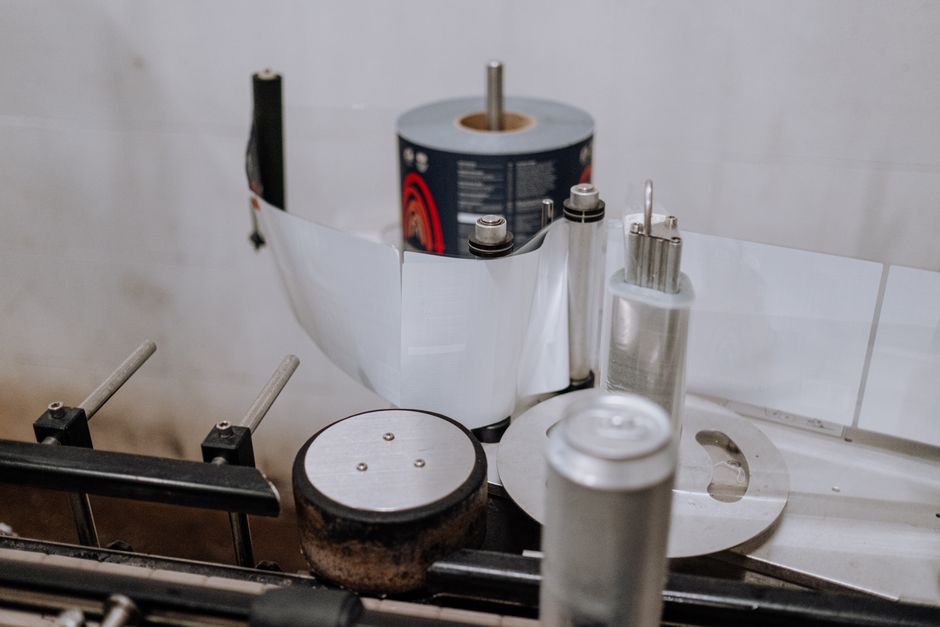
At Certified Labeling Solutions we run flexographic production in-house on our Nilpeter presses and partner with select domestic digital facilities for short-run work. Send us a quote request and we’ll recommend the process that actually fits your quantity and specs — not whichever one keeps our presses busiest.
Most first-timers making this call overestimate how much plate cost hurts at high volume and underestimate how much it stings at low volume. The fix is simple: get real numbers for both. Not sure which way to go? Call (908) 495-6235 or request a quote and we’ll price it flexo and digital, then tell you which one we’d choose in your shoes.
Frequently asked questions
What is the difference between flexographic and digital label printing?
Flexographic printing uses physical polymer plates, one per color, to stamp ink onto label material, which means a real setup cost but a very low price per label once the press is rolling. Digital printing prints directly from your file with almost no setup, but the cost per label stays roughly flat no matter the quantity. The decision usually comes down to whether your volume is large enough to spread the plate cost thin.
At what quantity does flexo become cheaper than digital?
For most label buyers, flexographic printing becomes the cheaper option somewhere between 5,000 and 10,000 labels, depending on color count and complexity. Above that crossover, the per-label savings compound quickly because the fixed plate cost is spread across more and more labels. Below it, digital usually wins because there are no plates to pay for before the first label prints.
Is digital label printing quality as good as flexo?
Both processes produce high-quality labels, and the differences are narrower than most buyers expect. Digital has a slightly wider gamut and renders photographic images and gradients a touch more easily. Flexo wins on spot color, matching Pantone targets exactly with one dedicated ink, and it holds color more consistently across separate runs printed weeks apart. For fine type and small detail, the two are essentially tied.
Which printing method is faster for a new label order?
Digital is usually faster for a brand-new job because there are no plates to make, so the path to the first printed label is shorter. Flexo reorders move quickly too, since the plates and dies from the first run are stored and reused. At Certified Labeling Solutions, standard flexographic turnaround is about two weeks from artwork approval, and reorders often ship in a week or less.
Can I use both flexo and digital printing for the same label?
Yes, and many smart label programs do. A common approach is launching a new SKU digitally in a small quantity with no tooling, then moving it to flexographic production once the artwork is locked and the volume justifies the plates. Another is printing the static design on flexo at volume and adding variable data such as lot numbers or serial numbers inline with a digital head.
Does flexo or digital handle more label materials?
Flexographic printing handles the wider range: paper, BOPP, polyester, vinyl, and specialty films all run well on a flexo press, while digital presses tend to have a narrower substrate range. Flexo also supports more specialty finishes, including overlaminate, spot UV, and backside printing, so designs that call for premium finishing usually end up on a flexographic press.
Labels giving you a headache?
Send us a sample, artwork, or just your specs — we'll quote it fast. Manufacturing in Hillsborough, NJ since 1986, shipping nationwide.